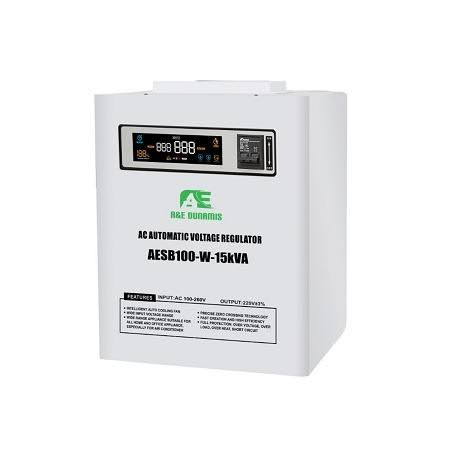
Let’s be honest about how this works in Nigeria. The moment rain falls, NEPA takes the light — and when it comes back, the voltage is often too low to trust with your freezer, your television or even a phone charger.
So you are left choosing between sleeping in the heat, or burning fuel in a generator that drinks like a fish. Then someone mentions solar, and the obvious question follows: “will this thing work when there is no sun?”
It is a fair question. You have probably heard that solar is a dry-season solution, and you have met people who installed it and still complain. Nobody wants to spend serious money and still end up sweating in darkness when the rains start.
The short answer: yes, if the system is designed for it
Solar works on grey days. Panels generate less in cloud cover — typically a fraction of their peak output — but they do keep generating. What carries you through a genuinely dark, wet stretch is not the panels, it is the battery capacity behind them.
A system sized only for sunny days will disappoint you in July. A system sized with rainy-season autonomy in mind will not. That is the entire difference, and it is a design decision made before anything is installed.
What that looks like in practice
The Okafors — family of five, Gbagada
Every time it rained, the same routine: NEPA off, generator on, money gone. As Mrs Okafor put it, “I was tired of waking up to heat, darkness and noise.”
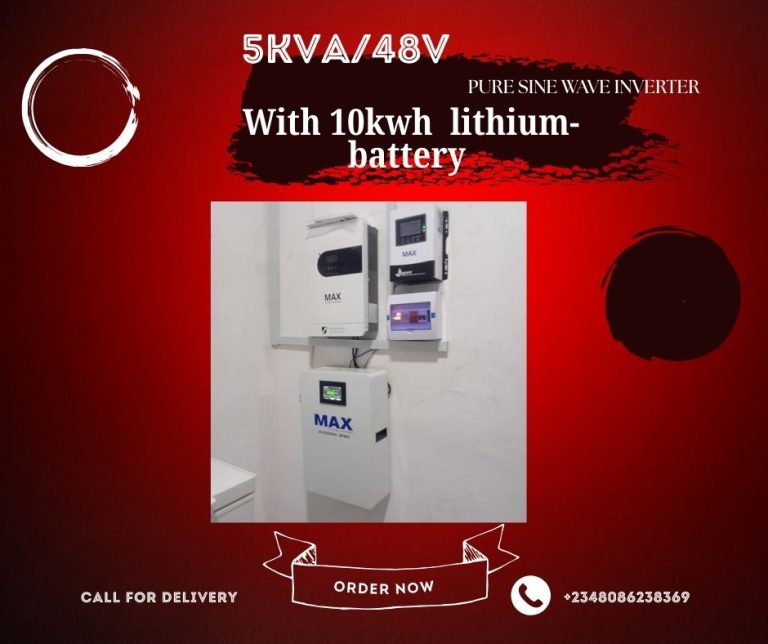
After a full home energy audit we installed a system covering two fans, the television, the fridge, the pumping machine, lighting and charging — with enough battery backup to run two days without sunlight.
Through peak rainy season the fridge stays cold and the house stays quiet. Her verdict: “Rain go fall from now till next week, light no go blink!”
Kunle — shortlet apartment host, Abeokuta
Guests kept leaving the same complaints: no light, generator too noisy, fridge not cold. It was costing him bookings. “I can’t be losing customers because of light problems again,” he told us.
We installed a hybrid system covering lighting, ceiling fans, the mini fridge, water heater, WiFi and television. Now three days of rainfall pass without his guests noticing. One review since: “This place always has light, even when everywhere else is dark.”
What makes a system rainy-season proof
- Battery bank sized for autonomy — two days of reserve, not two hours
- Panel array with headroom — enough capacity to recharge on a cloudy day, not just a bright one
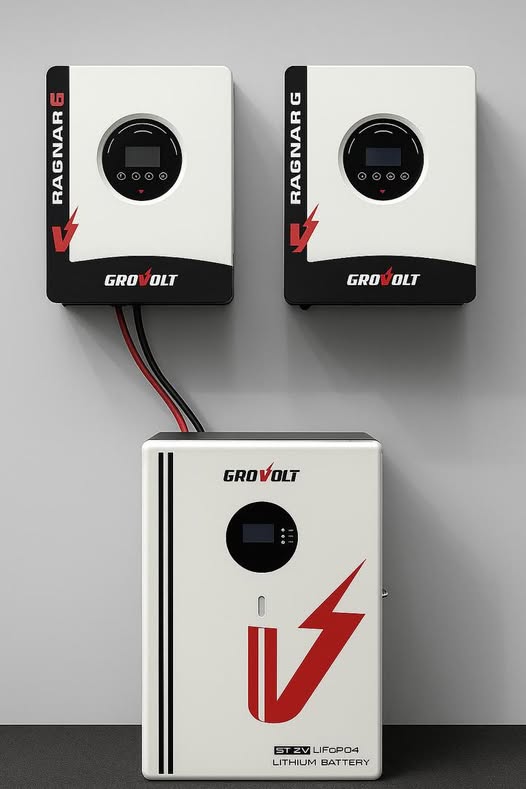
- A hybrid inverter — so grid or generator can top up the batteries when the weather is against you
- An honest load audit — sized on what you actually run, not an optimistic estimate
Want to see how long a given battery bank would hold your load? Our battery run-time calculator shows it directly.
Frequently asked questions
How much power do panels produce on a rainy day?
Considerably less than in full sun, but not zero. Diffuse light still generates — which is why the array and battery bank are sized together.
Can I still use the grid or a generator with solar?
Yes. A hybrid inverter switches automatically between solar, battery and grid or generator, so a long wet spell never leaves you stranded.
Do panels need cleaning during rainy season?
Rain does most of the work, but check for leaves and dust film after harmattan, since anything shading a panel costs output.
Power that does not depend on the weather
At Syntax Power Solution we design weather-resilient systems — enough storage to carry you through wet days, and support that continues after the installation van leaves.
Book a free consultation and we will size a system that works 365 days a year. No fuel, no noise.