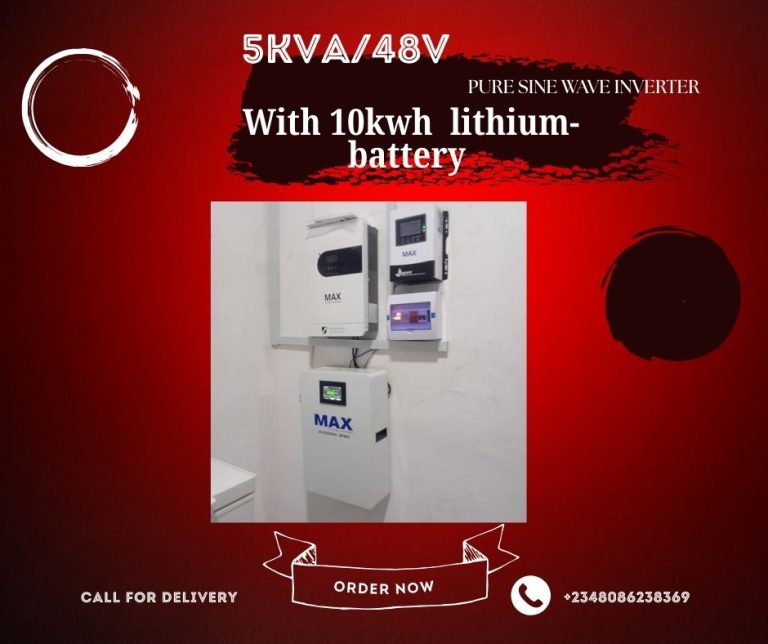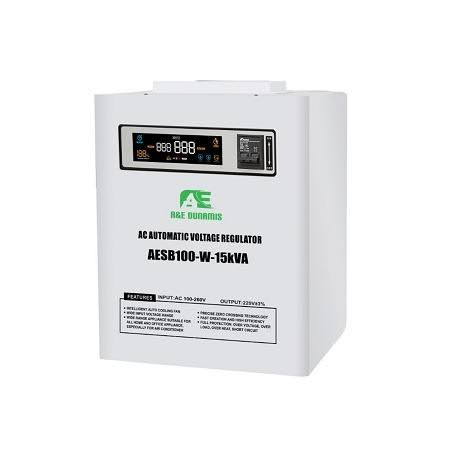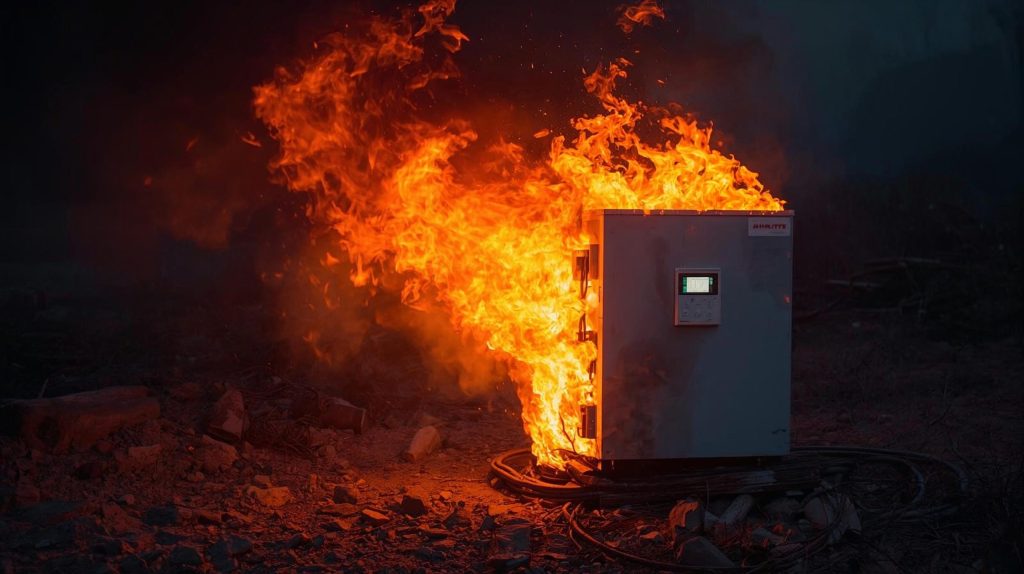
Inverters have become an essential power solution for homes, offices and businesses across Nigeria. They deliver clean, quiet electricity during blackouts and keep families and companies productive. But one question comes up again and again: can an inverter installation cause a fire outbreak?
The short answer is yes — but only when the system is installed, sized or maintained badly. A correctly installed inverter is one of the safest power sources you can own. Below are the real causes of inverter fires in Nigeria, the warning signs to watch for, and how to make sure your own installation never becomes one of them.
What actually causes inverter fires?
1. Poor installation practices
Most inverter-related fire incidents trace back to unqualified technicians — undersized cables, loose terminals, no fuse or breaker on the battery bank, and wiring that ignores basic safety standards. Undersized cable is the single most common fault: it overheats long before the inverter ever complains.
2. Overloading the inverter
Connecting appliances that exceed the inverter’s rated capacity forces it to run hot continuously. Sustained overload degrades internal components and can ignite surrounding material. Work out your real load before you buy — our inverter load calculator does the arithmetic for you.
3. Faulty or low-quality batteries
Batteries with manufacturing defects, mismatched cells, or long-expired units can leak, spark or vent gas. Counterfeit lithium cells are especially dangerous because they often ship without a proper battery management system.
4. Improper ventilation
Inverters and batteries generate heat, and lead-acid banks also vent hydrogen while charging. Installed in a sealed cupboard or an airless corner, that heat and gas has nowhere to go.
5. Neglected maintenance
Dust build-up, corroded terminals and connections that have worked loose through vibration all create resistance — and resistance creates heat. Nearly every fire of this kind gives months of warning before it happens.
Warning signs you should never ignore
- A burning or “hot plastic” smell near the inverter or battery bank
- Discoloured, browned or melted cable insulation around terminals
- Terminals or cable lugs too hot to touch comfortably
- Buzzing, crackling or clicking from inside the unit
- Batteries that swell, bulge or leak fluid
- Breakers that trip repeatedly for no obvious reason
Any one of these means shut the system down and call an engineer the same day.
How to prevent an inverter fire
Use certified installers
A properly sized inverter, matched batteries, correctly rated cable and protective breakers reduce the risk to near zero. Insist on installers who will show you their sizing calculations.
Buy genuine equipment
Original inverters, batteries and accessories from trusted suppliers cost more up front and far less over a decade. Counterfeit units are the hidden danger in this market — every product in our online store is sourced from authorised distributors.
Ventilate properly
Mount the inverter and batteries in a cool, dry, well-ventilated space, off the floor, away from curtains, fuel and anything flammable. Never box a battery bank into an airtight cabinet.
Service it on a schedule
Have connections torqued, terminals cleaned and battery health checked at least twice a year. It is a short visit that catches almost every developing fault.
Safe installation checklist
- Load calculated and inverter sized with headroom to spare
- Cable gauge matched to current, not to whatever was in the van
- DC breaker or fuse fitted between batteries and inverter
- Battery bank ventilated and mounted clear of the ground
- Proper earthing in place
- All terminals torqued to specification and re-checked after a month
- Maintenance schedule agreed in writing
Frequently asked questions
Are lithium batteries more dangerous than tubular batteries?
Genuine lithium batteries with a working battery management system are very safe and run cooler than lead-acid. The risk comes from counterfeit cells and unbranded packs with no protection circuitry.
Can I install an inverter in my bedroom?
It is not advisable. Choose a ventilated utility area, garage or dedicated cupboard with airflow — away from sleeping areas and anything flammable.
How often should an inverter system be serviced?
Every six months for most homes, and quarterly for systems under heavy daily load.
Does an inverter need its own breaker?
Yes. Both the AC side and the DC battery side need appropriately rated protection. An installation without DC protection is not a safe installation.
Get it installed safely
At Syntax Power Solution Limited, safety comes before speed. Our certified engineers size every system to your real load, wire it to standard, and back it with maintenance and after-sales support. Talk to our team about a safety inspection or a new installation done properly the first time.